What do the sources really say about classical Chinese martial arts?
Wuyi Smart Lab grew out of that question. Read, date, verify, practice.
Eight doors into the art
Eight verbs, from first contact to free fighting. Each name comes from a classical phrase; the progression is modern.
 ControlCan you touch without hurting?
 ProtectHow do you avoid being hit?
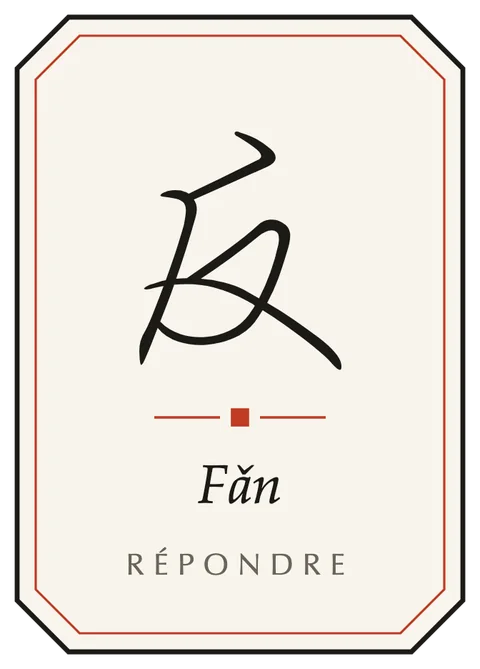 RespondWhen to advance, when to retreat?
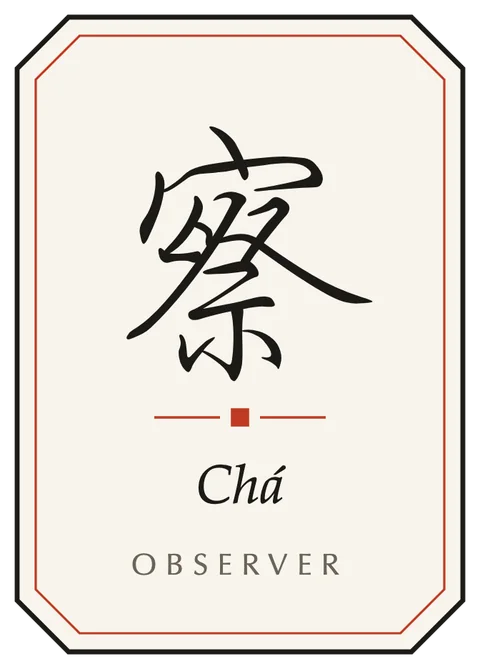 ObserveHow do you recognize the right moment?
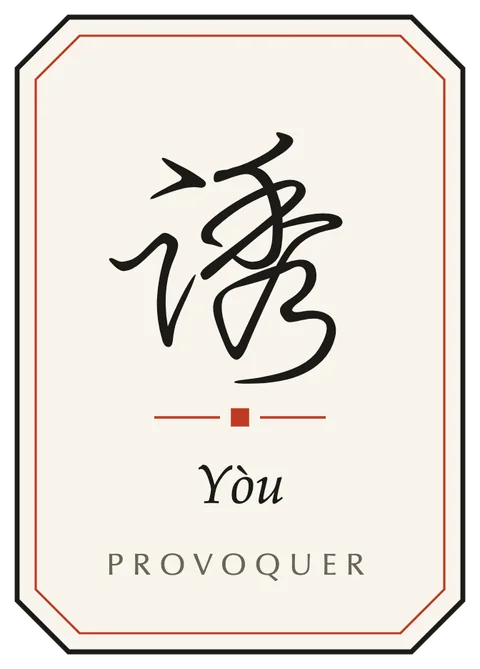 ProvokeHow do you lead the other where you want?
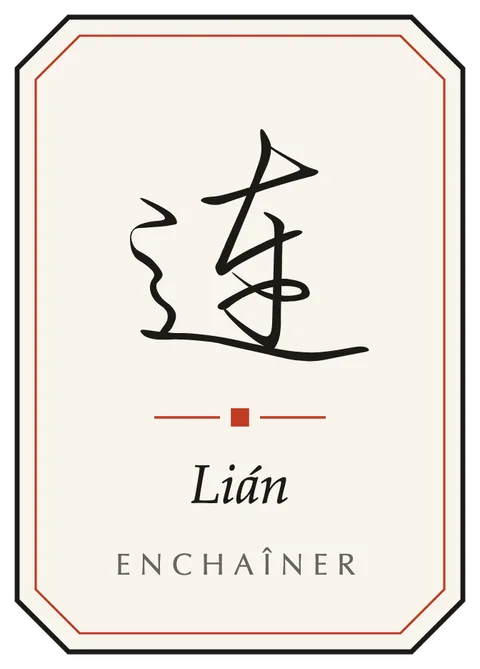 LinkWhat comes after the first action?
 PlanCan a fight be prepared?
 TransformWhat remains when nothing goes as planned?
Three styles, three distances
For each one, we say what the texts allow us to state, and with what degree of evidence.
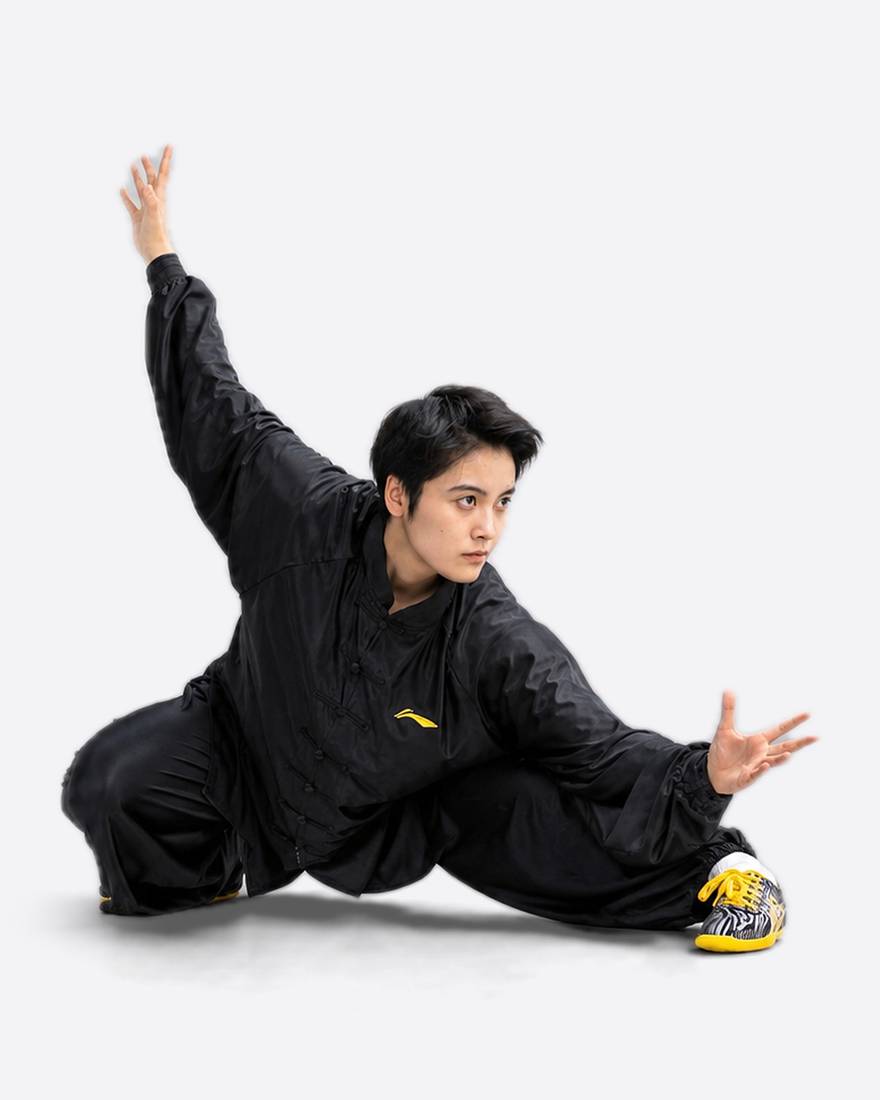
Long range
劈挂掌
Pīguàzhǎng · Chop and hang
The arms swing like whips, from shoulder to hand, driven by a supple waist.
Before 1560Attested: the name, under the Ming
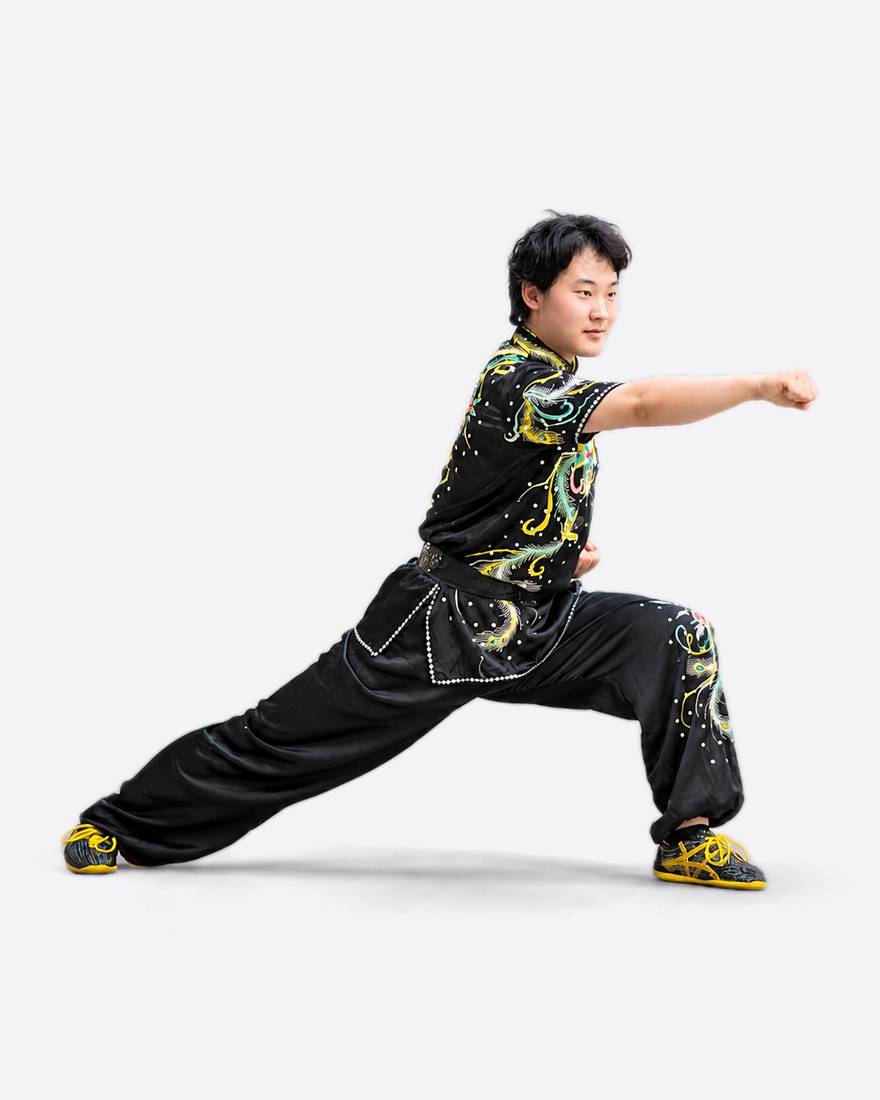
Fast and tight
翻子拳
Fānziquán · Tumbling fist
Short sequences in which both fists strike in bursts, with no pause.
1561-1562Probable: link established through the name
Close range
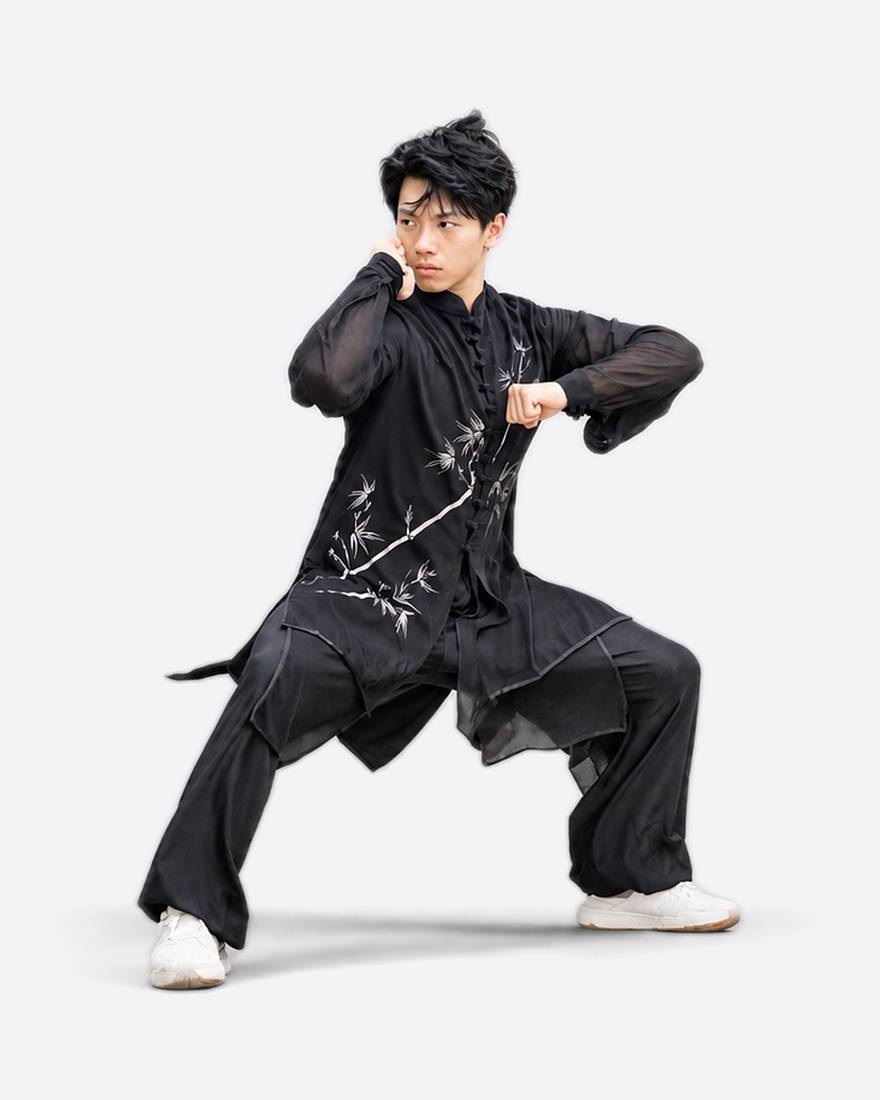
八极拳
Bājíquán · Eight extremes
You close in and strike with the whole body, in one short, explosive blow.
18th centuryAttested: since the 19th century

The same house
A sub-project of Wushu Smart Lab
Here, classical Chinese martial arts: the old texts, their dates and what they allow us to say. At Wushu Smart Lab, wushu as it is taught today: the classes, the clubs, the method.
The Wuyi newsletter
A newsletter every Friday: the week’s topics, their sources and upcoming dates (in French).